MDMA: Amsterdam’s Love Drug
Few drugs are as closely tied to a city as MDMA is to Amsterdam. Since it first appeared in the Netherlands in the mid-1980s, the pill known as ecstasy or XTC has become inseparable from the country’s nightlife and identity. The Netherlands is the world’s largest producer, and Amsterdam is its cultural showcase — a city of raves, festivals, and dancefloors where the “love drug” feels at home.
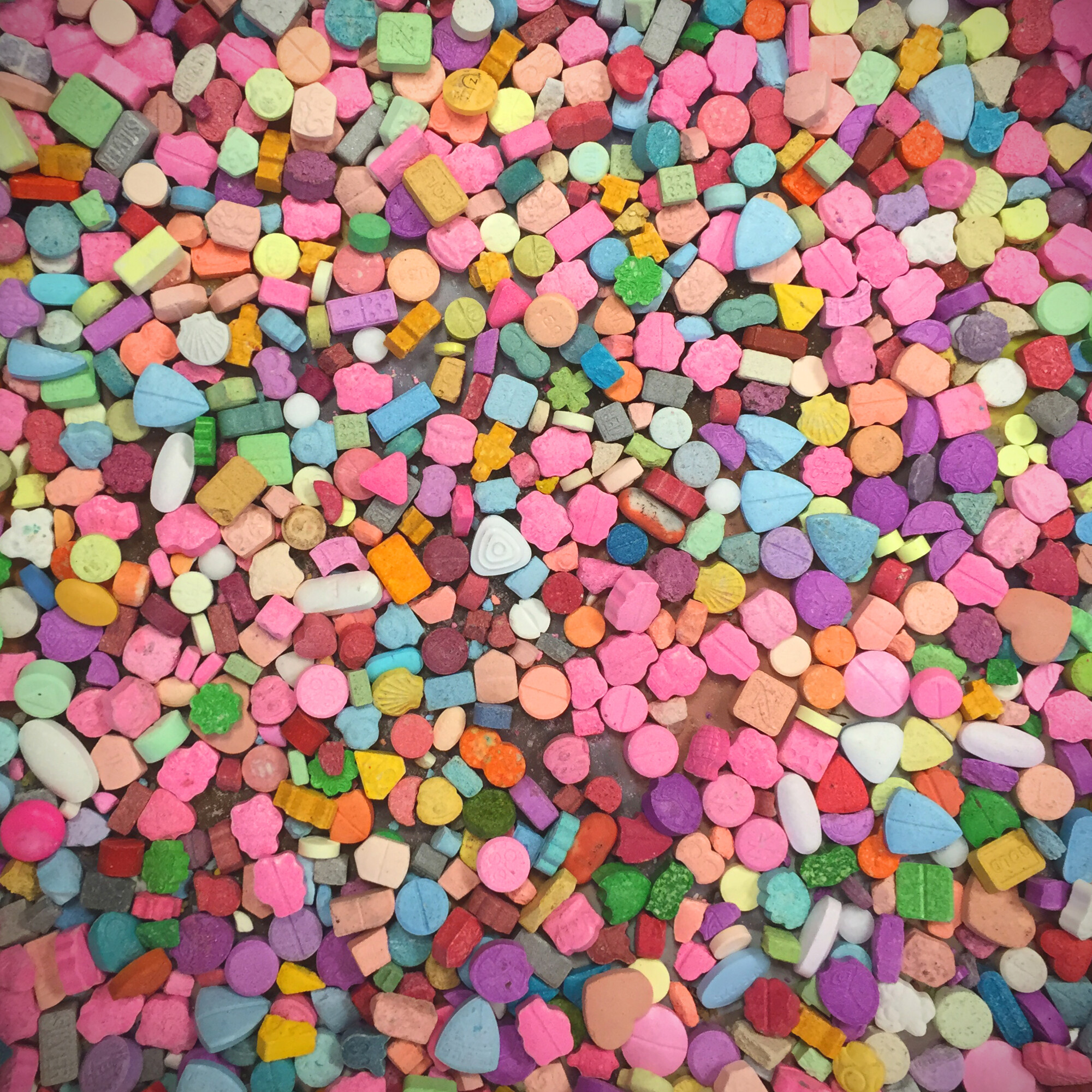
Use is widespread. More than 15 percent of the Dutch population has tried MDMA, the highest rate anywhere in the world. Pills are cheap, abundant, and endlessly inventive: pressed in every imaginable color, shape, and logo, from cartoon figures to luxury brands. Each new season brings a fresh wave of designs, reflecting both pop culture and the underground creativity of Dutch producers.
For users, MDMA is about connection. The drug’s effects — euphoria, empathy, and closeness — match the spirit of Amsterdam itself: open, social, and playful. It is a city where love is celebrated, where music and freedom flow together, and where tolerance leaves space for experiment. Festivals like Awakenings and Amsterdam Dance Event have become global stages for the MDMA experience, drawing crowds from across the world.
Yet beneath the glow sticks and basslines lies a paradox. The Netherlands produces the bulk of the world’s MDMA, but the drug remains illegal at home. Coffeeshops sell cannabis openly, while MDMA stays confined to the black market, a contradiction that both policymakers and users quietly live with. Testing services exist, fines are light, and cultural acceptance is high — but legality has never followed.
MDMA, more than cannabis, has become the true symbol of Amsterdam’s modern drug culture: a pill born in Dutch labs, perfected on its dancefloors, and exported in both product and myth. The love drug belongs to the love city.
This story sits on the map in the Free Amsterdam app, which walks you to the spot.
Open this story on the map