Drug testing the Dutch way
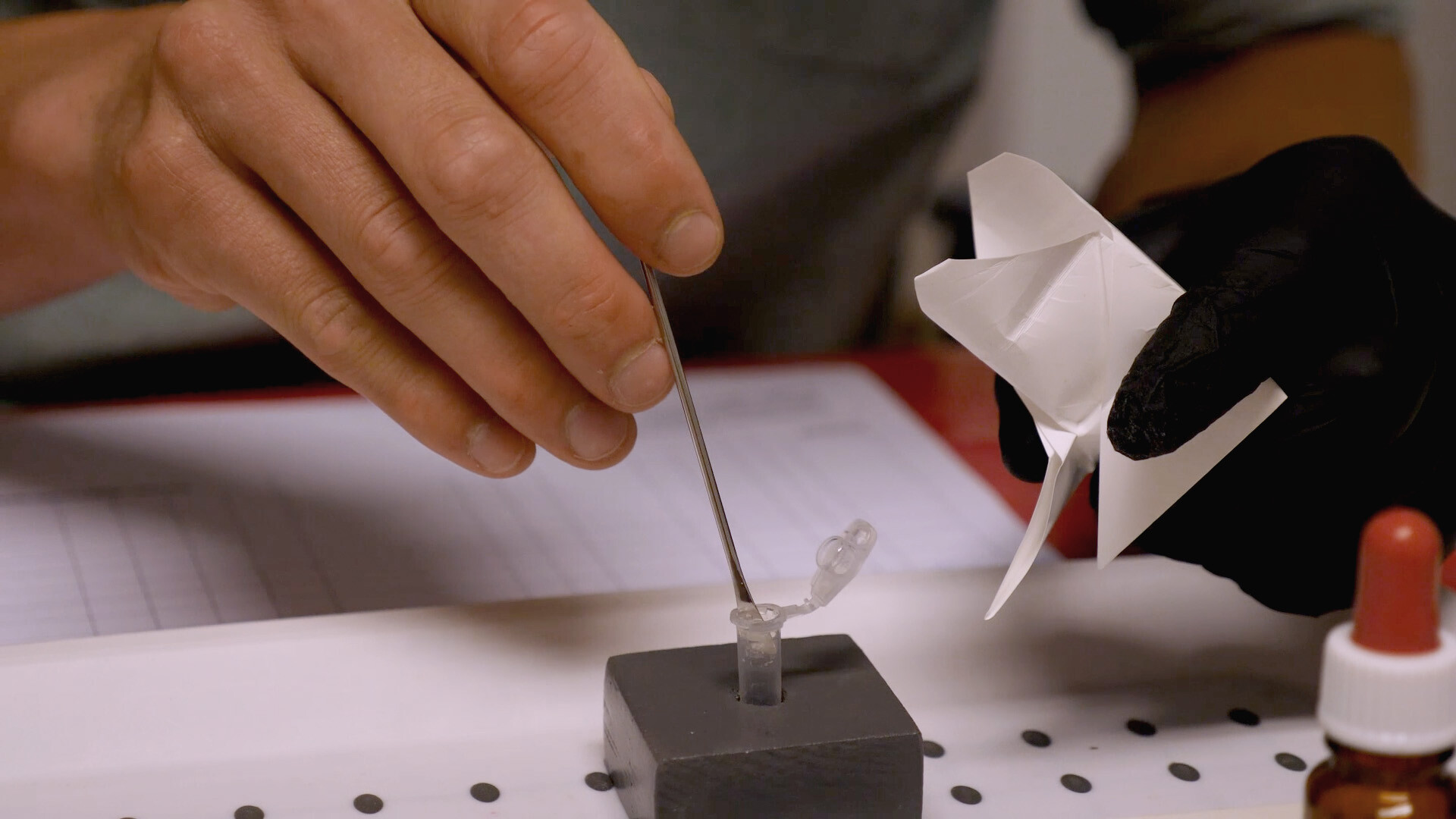
One of the most unusual — and uniquely Dutch — features of drug policy is the ability to test what you buy. Since the 1990s, the Drugs Information and Monitoring System (DIMS) has allowed users to bring their pills, powders, or blotters to services like Jellinek, where trained staff register them, take a small sample, and send it to a lab. A week later, you can call for the results.
The rules are strict. Samples must be bought in the Netherlands, because the program is part of the national monitoring system. Staff carefully record what you hand in: its appearance, weight, and what you thought you were buying. Then it’s packed off for chemical analysis. Back at the counter, you get a card with a code that lets you check the results later. No names, no judgments — just data.
It’s not as simple as walking in with a bag of drugs. Cameras are usually forbidden, and for years it was difficult even to document the process. But the system itself is straightforward and quietly pragmatic. It recognizes the reality of widespread use and seeks to reduce harm, not increase it. By mapping what is really in circulation, DIMS protects users and provides the Netherlands with one of the best drug-monitoring systems in the world.
The paradox is striking: buying MDMA, cocaine, or LSD remains illegal, yet walking into a testing service with the same substances is not. You leave with nothing more than a claim ticket and a reminder to call in a few days. What you get in return is knowledge — sometimes reassuring, sometimes sobering, but always more than you had before.
This story sits on the map in the Free Amsterdam app, which walks you to the spot.
Open this story on the map